Road to Green Manifesto: Dialogue on Political Manifesto
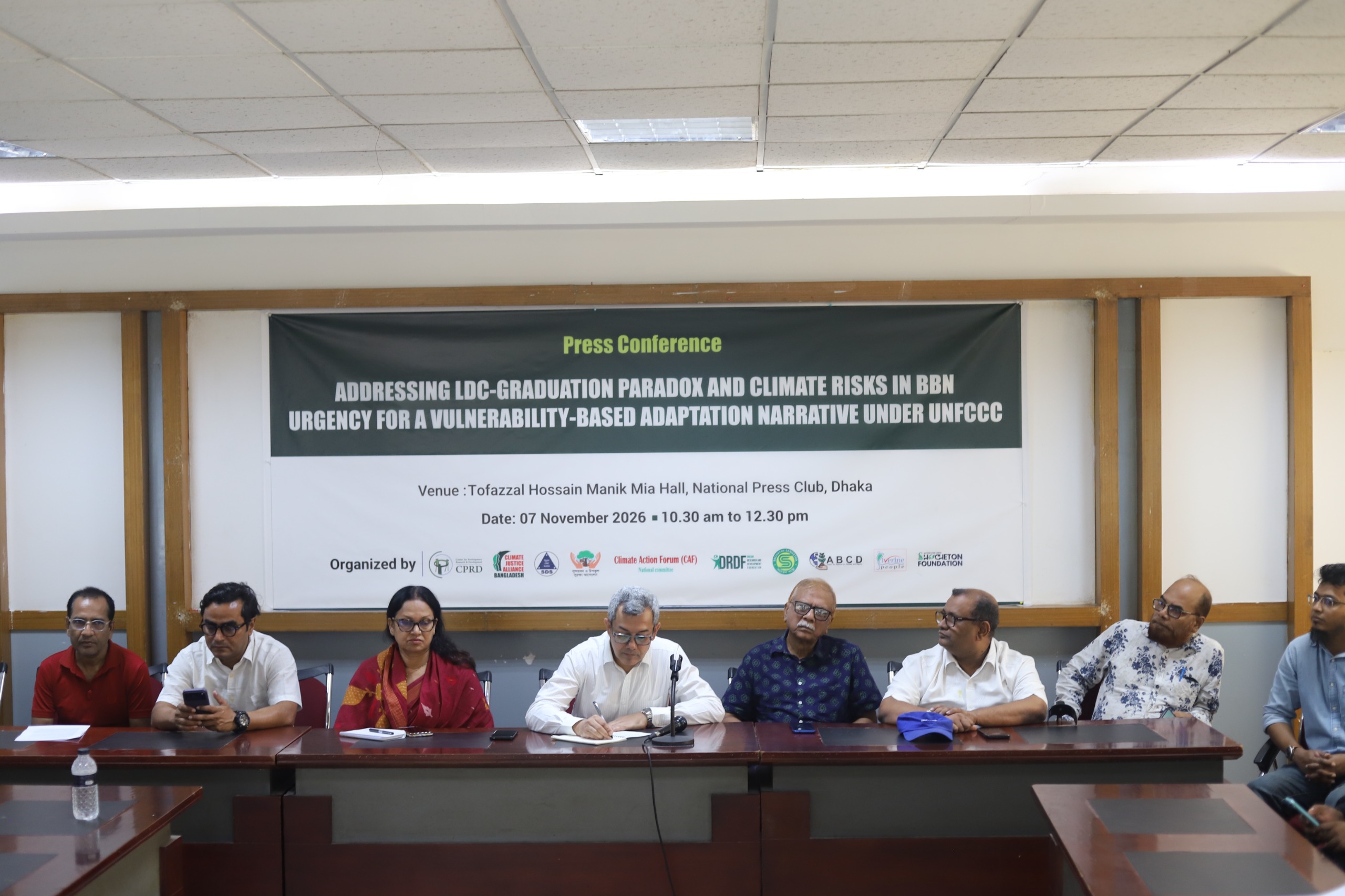
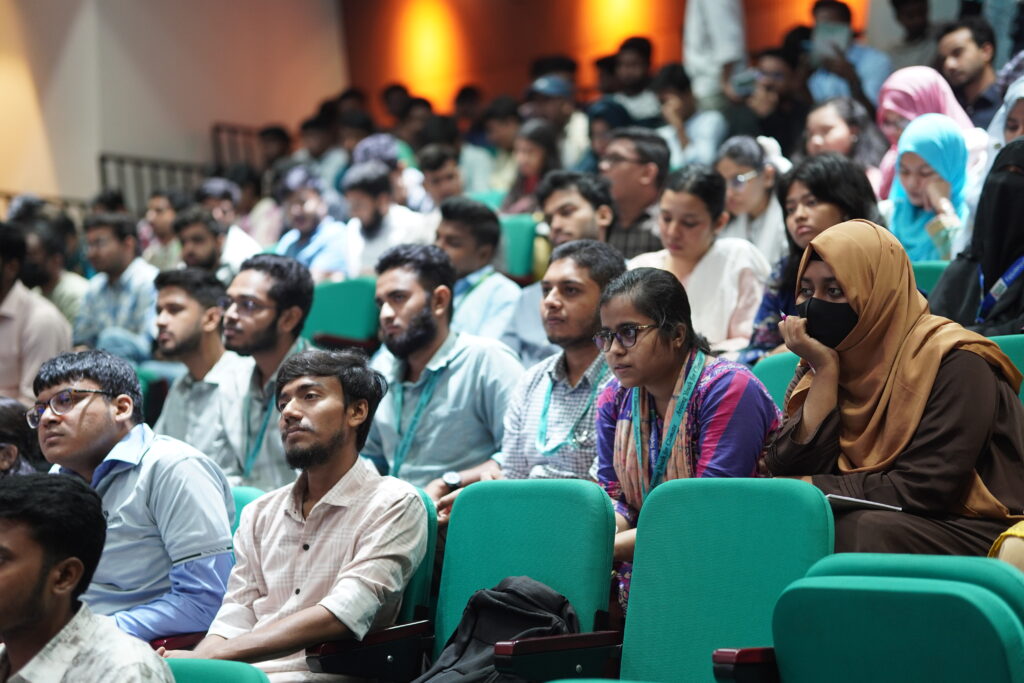
On 26 July 2025, CPRD and its partner organizations convened a national-level dialogue titled “Road to Green Manifesto: Dialogue on Political Manifesto” under the thematic framework of Manifest Talk – Water, Agriculture, and Food Security Nexus.
The event brought together political party leaders, civil society organizations, academics, youth climate activists, and university students to explore how climate change, water governance, and food security can be meaningfully integrated into Bangladesh’s political manifestos and election strategies.
The dialogue’s core goal was to move climate from the periphery to the center of political decision-making, which is emphasizing action, accountability, and adaptation.
Key Highlights of the Dialogue
- Restructuring Water Governance
- Urgent call for basin-centric hydro-diplomacy with India and regional partners.
- Concerns about water mafias in Barind exploiting smallholder farmers.
- Political parties urged to adopt clear, actionable positions on transboundary water sharing and local water security.
- Climate-Adaptive Agriculture and Food Security
- Excavation of ponds and khals to enhance rainwater harvesting.
- Union-level cold storage facilities through public-private partnerships.
- Farmers Card System for streamlined subsidies and crop insurance.
- Transforming agriculture into an export-oriented and performance-driven sector to support rural entrepreneurship.
- Emphasized the need to decentralize seed systems, promote climate smart agricultural practices and support small holder farmers who are on the frontline of the climate crisis
- Migration, Sovereignty, and Justice
- Climate-induced migration highlighted as an existential challenge and a thread to soverighty.
- Syeda Rizwana Hasan, Advisor to the Ministry of Environment, warned:
“If our coastal towns are inundated, the next generation will need to draw a new map of Bangladesh. This is a matter of sovereignty.”
- Discussions emphasized urban planning for displaced populations and protecting agricultural land
- Urban Water Bodies and Waste Management
- Calls to restore rivers, khals, and canals to ensure urban water security.
- Suggested public accountability activities like symbolic annual river swims by city leaders to highlight commitment to clean water and governance reform.
- Illegal Encroachment and Climate Compliance
- Political representatives highlighted the destruction of wetlands and canals, increasing flood and displacement risks.
- Proposals included:
- Climate compliance legislation
- Housing and medical support for displaced populations
- Development of climate-smart cities
- Cross-party cooperation for proactive climate adaptation

Key Takeaways and Future Directions
- Strengthen South Asian regional water governance and data sharing.
- Move climate-smart seeds, crop insurance, and cold storage policies from paper to implementation.
- Address climate-induced displacement via rural resilience and urban planning reforms.
- Recognize the loss and damage implications for national sovereignty.
- Unite political parties around climate action as a collective national responsibility.
Why This Dialogue Matters
The “Road to Green Manifesto” dialogue signaled a turning point in Bangladesh’s political discourse on climate change. It provided a platform where political leaders, activists, and citizens confronted the intersection of climate justice, sovereignty, and electoral commitments.
For Bangladesh to secure a resilient future, climate change must be at the heart of every political manifesto, backed by real policy action, funding, and collective accountability.