Center for Participatory Research and Development- CPRD in collaboration with Dhaka International University (DIU), SDS- Shariatpur Development Society and Young Power in Social Action- YPSA hosted a side event at Side Event Room 8 during COP29 at the Baku Olympic Stadium. This event aimed to shed light on the critical issue of displacement and migration driven by climate change in Bangladesh. Additionally, the discussion highlighted the existing policy gaps that hinder effective responses to this growing crisis, emphasizing the need for comprehensive strategies to support displaced populations and foster resilient adaptation measures.
As the first speaker, Rabeya Begum Executive Director at SDS- Shariatpur Development Society, shared her presentation titled “Displacement, Migration and Loss and Damage Nexus: Evidence from Erosion-Displaced People in Shariatpur District.” She explained how climate change creates a chain of impacts that leads to both economic and non-economic loss and damage (L&D). While economic L&D holds a monetary value, non-economic loss and damage (NELD) due to climate change in Bangladesh refers to the social, cultural, and psychological impacts that are not easily quantified in monetary terms but are deeply felt by communities. These include the loss of traditional knowledge, cultural heritage, and livelihoods tied to land and water resources, which are increasingly threatened by rising sea levels, frequent floods, and cyclones. Displacement of communities due to environmental degradation results in a loss of social networks, identity, and a sense of belonging. Additionally, climate-induced trauma, anxiety, and loss of hope, particularly among vulnerable populations, lead to mental health challenges that are often overlooked. These non-economic impacts compound the struggles of affected populations, deepening inequalities and hindering long-term resilience in Bangladesh.
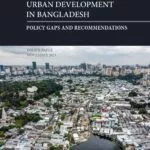
Sheikh Nur Ataya Rabbi, Assistant Manager at CPRD, presented one of CPRD’s studies “Migration to the Urban Slums as Adaptation to Climate Change: Challenges and Actions Required”. He explained the factors behind migration to urban slums and the aftermath there. Migrants face crises for safe water, using shared and unsanitary latrines, poor housing conditions, frequent sickness, economic insecurity, fear of eviction, insecurity of life and assets, sexual harassment, physical injury, deprivation of social safety net supports in the urban slum areas. Migration to the urban informal settlements under the existing conditions cannot ensure sustainable adaptation for climate victims; it is often counterproductive. Furthermore, people’s using loans as a coping strategy puts them in a more financially vulnerable state which compels them to engage their children in laborious earning opportunities. There is a scope to promote and support adaptation and implement anticipatory measures at the place of origin for making migration planned. Mr. Rabbi called for creating a national database of climate migrants, regularly monitoring their challenges and providing them with needs-based support at their destinations. He also demanded to establish a stand-alone framework on climate-induced human mobility under the UNFCCC and expand and strengthen the scope of Task Force of Displacement (TFD).
Mohammad Shahjahan, the Director of Young Power in Social Action (YPSA), delivered an insightful presentation on the current policy landscape surrounding climate-induced displacement, titled “Climate Induced Displacement: Need Rights-based Solutions to this Problem.” In his presentation, he thoroughly examined the prevailing policy narratives that shape the understanding of displacement and migration driven by climate change. Mr. Shahjahan highlighted the urgency of addressing this issue through a rights-based approach, emphasizing the need for solutions that prioritize the rights and needs of those affected by environmental disruptions. His analysis provided a comprehensive overview of how existing policies can be reassessed and improved to better support vulnerable populations facing the challenges of climate-related dislocation. He emphasized that issues of climate-related displacement and migration should be addressed as separate agenda items under the UNFCCC, including the establishment of a legal framework to manage climate-induced cross-border migration.
During the discussion, one of the panelists, Runa Khan, Founder and Executive Director of Friendship NGO, made a powerful statement highlighting the importance of proactive engagement in creating change. She emphasized that real transformation within communities and societies will not occur spontaneously; rather, it requires deliberate efforts and collective action from all of us. Her perspective underscored the necessity for individuals and organizations to take initiative and drive the change they wish to see, rather than waiting for external forces to bring about improvement.
Dr. Katherine Braun, Senior Policy Advisor at Bread for the World-Germany argued that migration should not be viewed as a viable adaptation strategy for those most affected by climate change. Highlighting the presentations, she articulated that for many marginalized individuals, migration often leads to the creation of a debt trap, where they find themselves burdened by financial obligations that can be overwhelming and difficult to escape. Furthermore, she urged that the Fund for Responding to Loss and Damage (FRLD) must take into account the complex and multifaceted challenges faced by communities. She argued that without adequate support and resources from initiatives like the FRLD, these communities are likely to face even greater hardships, leading to a cycle of vulnerability that becomes increasingly difficult to break.
Julie Greenwalt, Senior Climate Advisor at Cities Alliance agreed that countries in the Global North must take the lead in spearheading negotiations aimed at tackling the complex issues surrounding loss and damage caused by climate change. She applauded the initiatives that highlight the realities of migration worldwide, particularly in developing countries. Greenwalt’s insights underlined the need for a collaborative approach to develop equitable solutions and ensure that support reaches those who are most affected by climate change. Shailendra Yashwant, Senior Advisor- Advocacy and Communication at Climate Action Network South Asia (CANSA) moderated the event. Participants included experts, policymakers, community leaders, and young enthusiasts who shared valuable insights into the discussion facilitating the exchange of innovative ideas and strategies to address the challenges shared in the session.