CPRD and its allied 25 organizations, named ActionAid Bangladesh, AOSED, Brot für die Welt, CARE Bangladesh, CCDB, Christian Aid, COAST Foundation, Concern Worldwide, DORP, Diakonia Bangladesh, The Earth Society, HEKS/EPER, HELVETAS, Islamic Relief Bangladesh, Manusher Jonnyo Foundation, Nagorik Uddyog, NETZ Bangladesh, Oxfam in Bangladesh, Practical Action, Shushilan Shariatpur Development Society-SDS, Swisscontact, WaterAid, WorldFish, and YPSA organized a 3-day CSOs Capacity Building and Strategy Workshop from 10th May to 12th May 2023 at CDM Savar. The Strategy Workshop was to develop a comprehensive understanding of the key debated issues of climate negotiation and facilitate a common CSOs position towards COP 28 and beyond.
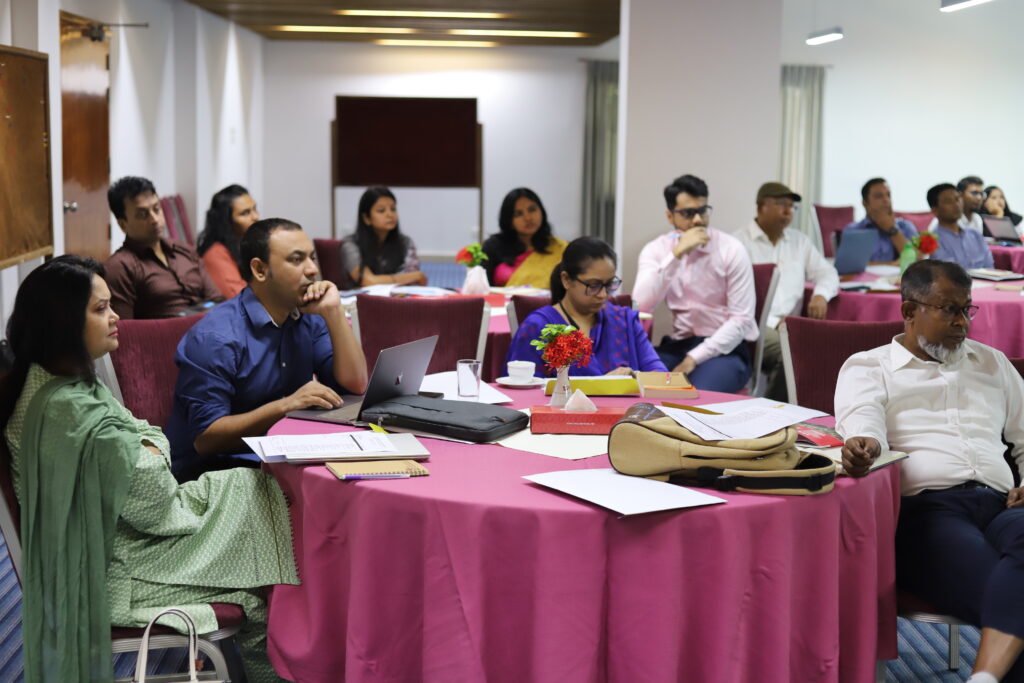
The workshop started with the ‘talks of inspiration’ of several CSOs and political leaders. They include Mr. Sanjay Vashist, the Director of Climate Action Network South Asia (CANSA), and Dr. Md. Golam Rabbani, Head of the Climate Bridge Fund; Farah Kabir, the Country Director of ActionAid Bangladesh; Dr. Fazle Rabbi Sadek Ahmed, Member of the LDC Compliance Committee of the UNFCCC; Mr. Tanvir Shakil Joy, MP, and President Bangladesh Climate Parliament; and Mr. Saber Hossain Chowdhury, MP and Chairperson, Parliamentary Standing Committee to the Ministry of Environment Forests and Climate Change (MoEFCC) of the government of Bangladesh.
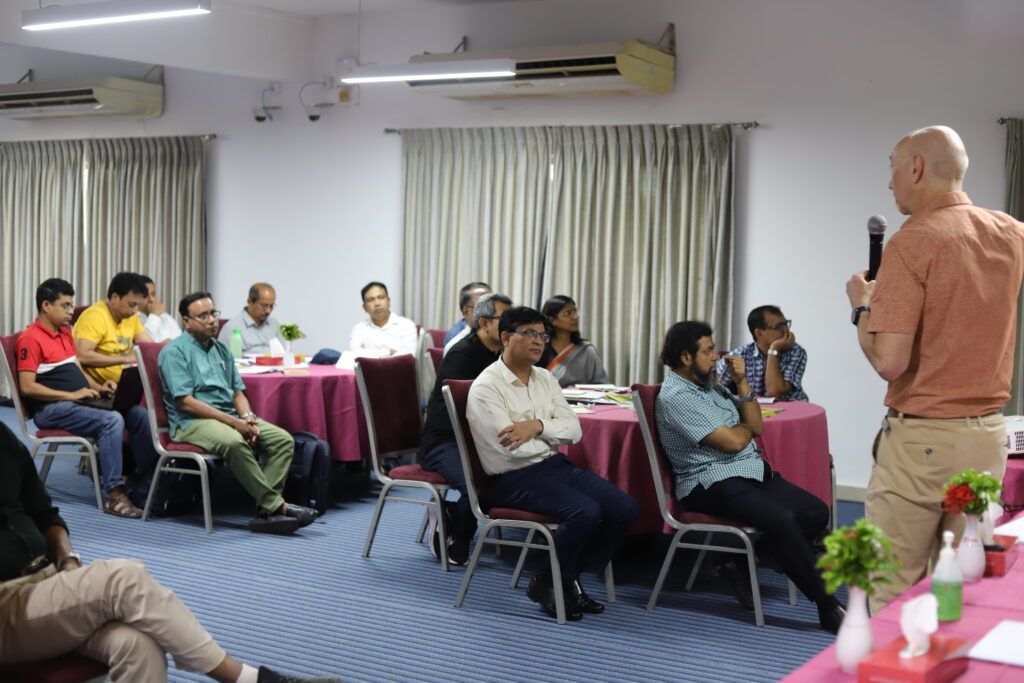
The workshop was organized, focusing on three thematic areas:
- Science and Impacts of Climate Change
- Policy and Politics of Global Negotiation
- CSOs Strategy and Position at COP 28
The workshop discussed several issues of national and as well as global policy interest, they include;
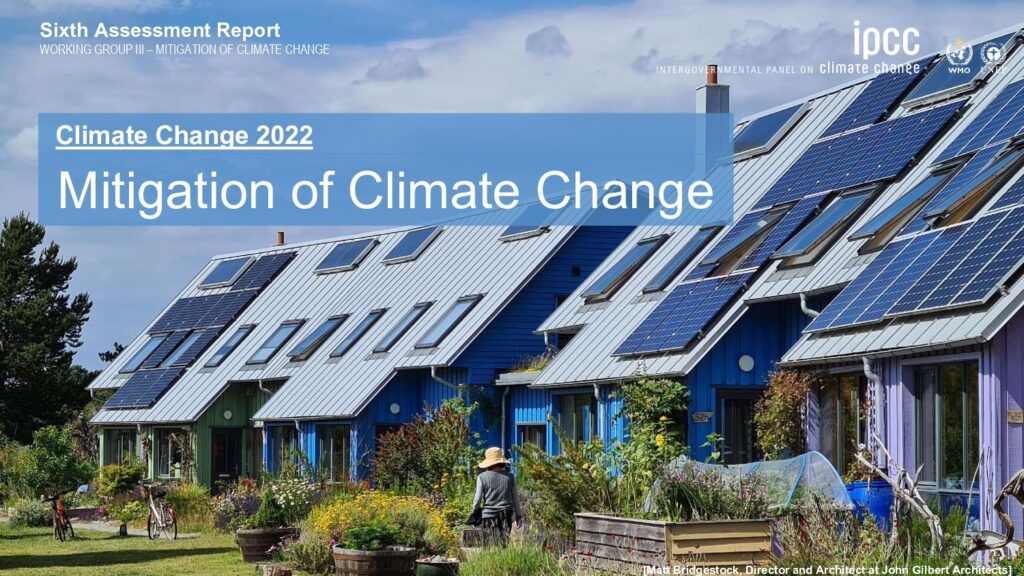
i) Global and National Scenarios of climate change impacts as per IPCC’s Sixth Assessment Report,
ii) Climate-induced (non-)migration”: Evidence from the ground,
iii) Water Insecurity and Climate Change: Global and National Scenario,
iv) Climate and Human Rights Nexus: Evidences and Policy Space,
v) An overview of the CSOs Submission on Human Rights and Climate Change to the Universal Periodic Review of UDHR,
vi) Key Issues of climate change negotiation: Stocktaking on the outcomes of COP 27 and Expectation from COP 28
vii) Loss and Damage Funding Arrangements: Scopes and challenges of aligning to humanitarian support,
viii) IFIs in Climate Financing and Risk of Debt Burden,
ix) Global Goal on Mitigation,
x) Global Stock Take and Work Programme on Mitigation: Key Issues and Progress,
xi) Key Issues at COP 28: L&D Funding Arrangements and Progress of the Work of Transitional Committee,
xii) Key Issues at COP 28: Climate Finance, Market-Based Financial Instruments, and De-risking

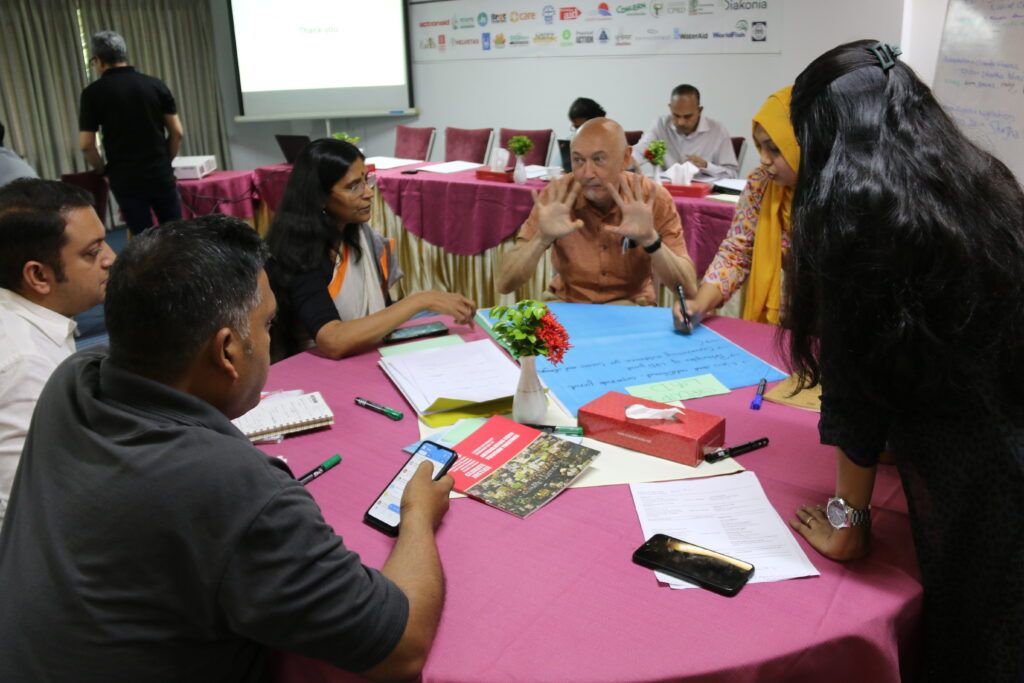
The technical sessions on the above issues were followed by the “CSOs Strategy Session,” which discussed CSOs position on the key issues of high importance at COP 28. The session started with a rundown of the previous two days’ sessions and a group discussion on CSOs expectations and positions on mitigation (NDCs), Climate Finance, Funding Arrangements for Addressing Loss and Damage, Global Stocktake, Adaptation, Global Goals, and Human Rights. The CSOs position on the above issues was then presented before a high-level plenary comprising the members of the country delegation to the COP negotiation, namely Md. Ziaul Haque, Director-DoE; Mr. Dharitri Kumar Sarkar, Deputy Secretary, Ministry of Environment and Forests (MoEFCC); SM Mahbub Alam, Joint Secretary Economic Relations Division, Ministry of Finance (NDA Focal Person to the Green Climate Fund); and Dr. Fazle Rabbi Sadek Ahmed, DGM- Palli Karma-Sahayak Foundation (PKSF). The Civil Society Organizations (CSOs) collectively recognized the climate crisis as a systemic failure. Accordingly, they agreed to advocate for an appropriate economic model based on a precise and equitable political stance in the upcoming Conference of the Parties (COP). Furthermore, the CSOs Group emphasized taking action rather than relying solely on negotiations. As a result, the CSOs reached a common agreement for further elaborating the key aspects of Bangladesh’s position and agreed to a series of advocacy events towards COP 28 and beyond.
Presentation: Day-1

Climate Change Impact: Global and National Scenario as per IPCC’s Sixth Assessment Report
Fazle Rabbi SadequeAhmed, Deputy Managing Director, PKSF
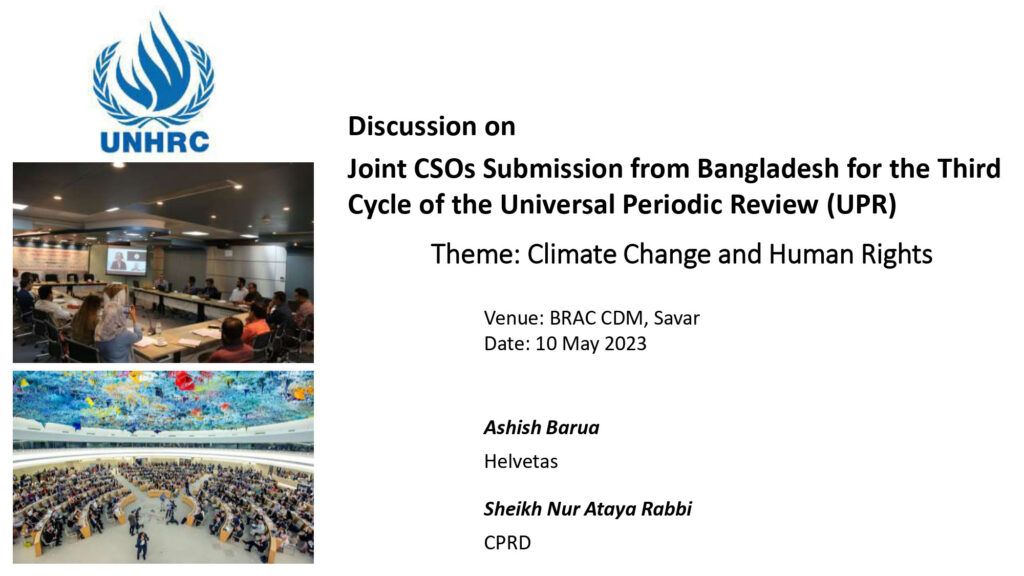
Climate Change and Human Rights
Ashish Barua, Helvetas
Sheikh Nur Ataya Rabbi, CPRD

Climate Induced Non Migration
Ashish Barua, Helvetas
Climate and Human Rights Nexus Evidences and Policy Space
Naznin Sultana, CPRD
Climate Diplomacy at COP 27 Whether shines are overshadowed by corporate interest!
Md. Shamsuddoha, CPRD
Presentation: Day-2