Center for Participatory Research and Development (CPRD), in collaboration with Climate Justice Alliance–Bangladesh (CJA-B) and CANSA-BD, successfully convened a three-day residential strategy workshop titled “Strategy Workshop on Climate Change Policy Narratives: From Climate Science and Ground Evidence to Collective CSO Positions for COP31.” The workshop was held from 1–3 September 2026 at the Gono Kallyan Trust Training Center, Manikganj, Bangladesh.
The workshop brought together representatives from civil society organizations, government agencies, research and academic institutions, development practitioners, youth climate activists, and media professionals. It aimed to strengthen participants’ understanding of climate change from scientific, policy, and political perspectives, while creating a space for dialogue and collective reflection towards developing informed civil society positions for COP31.
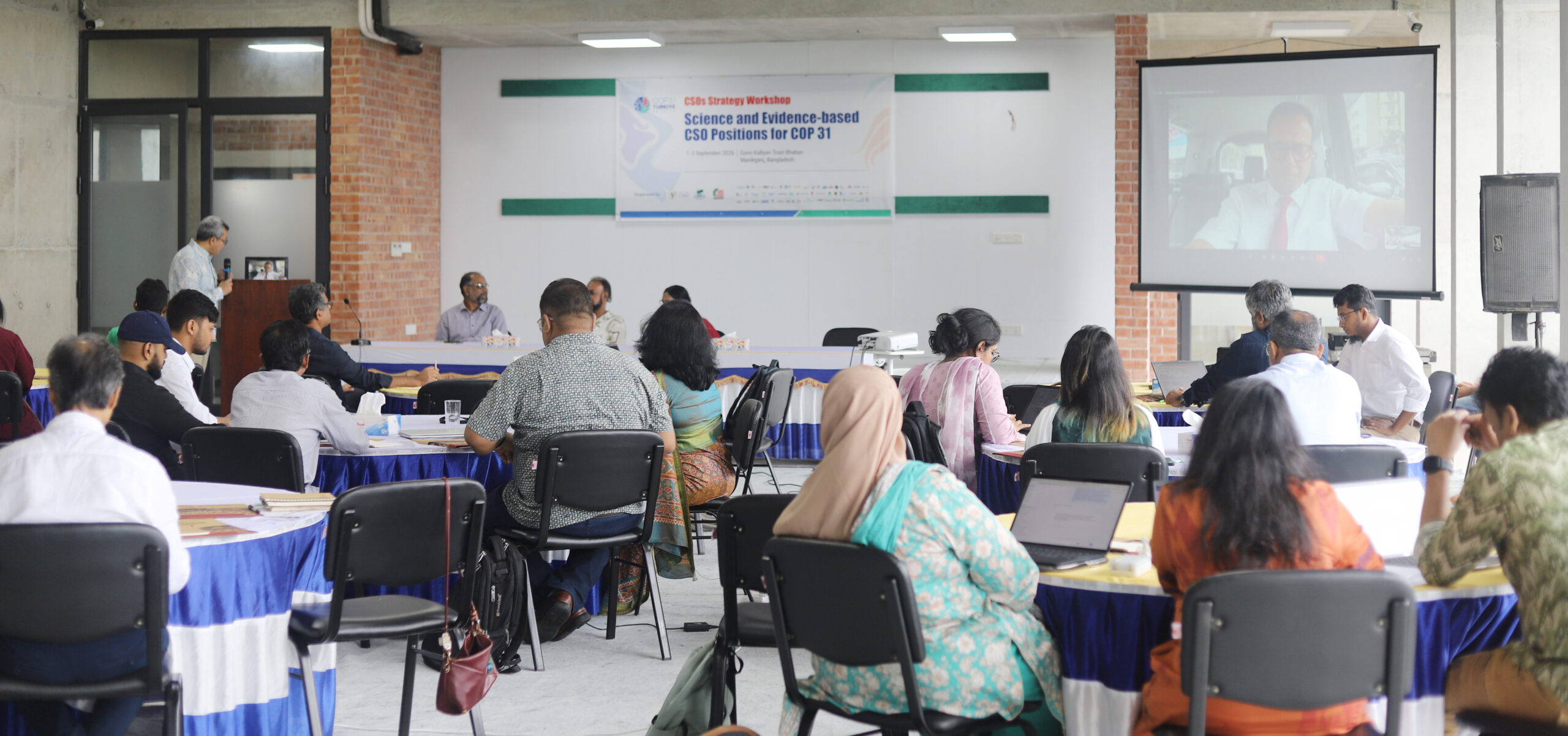
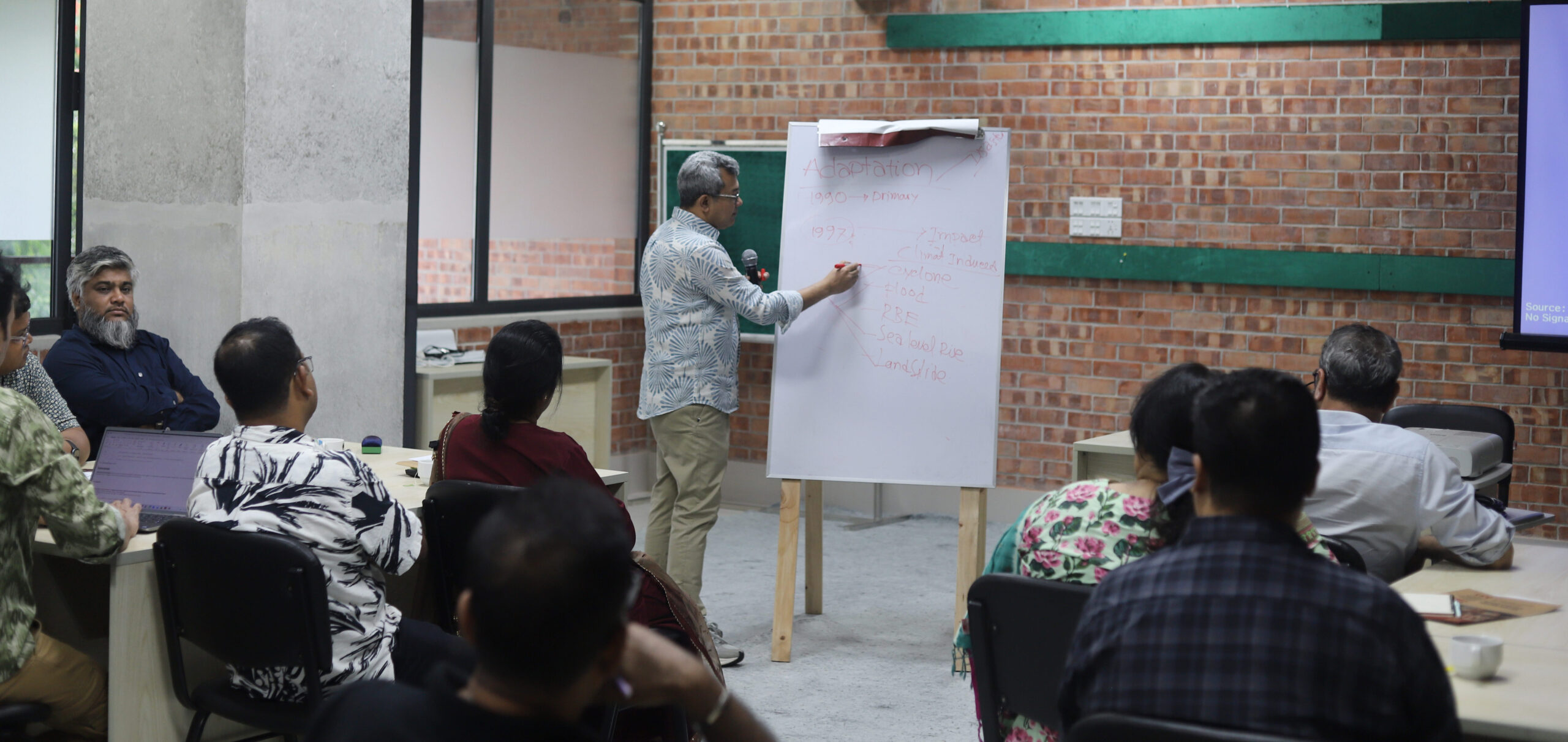
As a welcoming remark, A K M Sohel, Additional Secretary of the Economic Relations Division (ERD) at the Ministry of Finance, urged the network to focus on gathering data-driven evidence regarding climate impacts. The core discussion began with a discussion on the scientific basis of climate change, facilitated by Md. Ziaul Haque, Additional Director General, Department of Environment, who also presented the global and national narratives and policy responses on climate change mitigation. Later, Md. Shamsuddoha led a session on climate change adaptation, highlighting global and national policy gaps, the importance of vulnerability and risk analysis, and the need to strengthen systemic resilience and adaptive capacity. Other sessions featured in-depth discussions on key dimensions of climate change, including nature-based and locally led adaptation, carbon markets, and climate finance. Dedicated discussions also examined the social and justice dimensions of climate change, including gender perspectives, climate-induced migration, and the impacts of climate change on indigenous communities. These sessions were facilitated by distinguished experts and practitioners, including Ashfaqur Rahman Khan, Rabeya Begum, Adiba Bintey Kamal, Shoma Datta, Mrityunjoy Das Joy, Tania Haque, Sheikh Nur Ataya Rabbi, Mahmodul Hasan Tareq, Md Shohanur Rahman, Tanje-Un-Jenat, Feisal Rahman, Md Ashadudzaman, Farhana Afroz and others, who shared their expertise, practical experiences, and perspectives on the evolving climate change discourse.
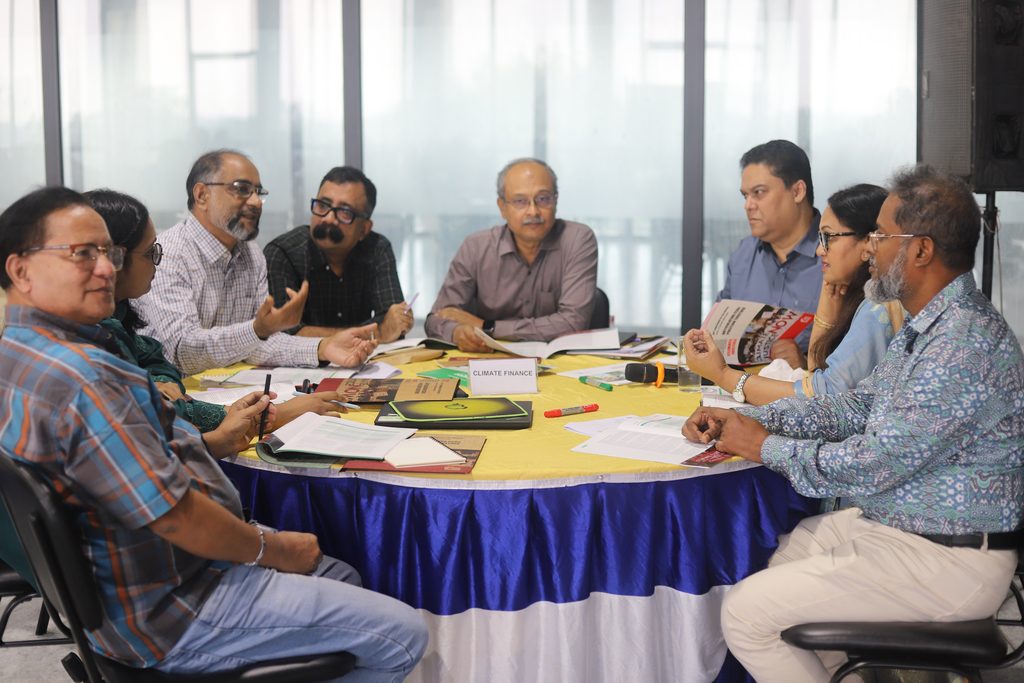
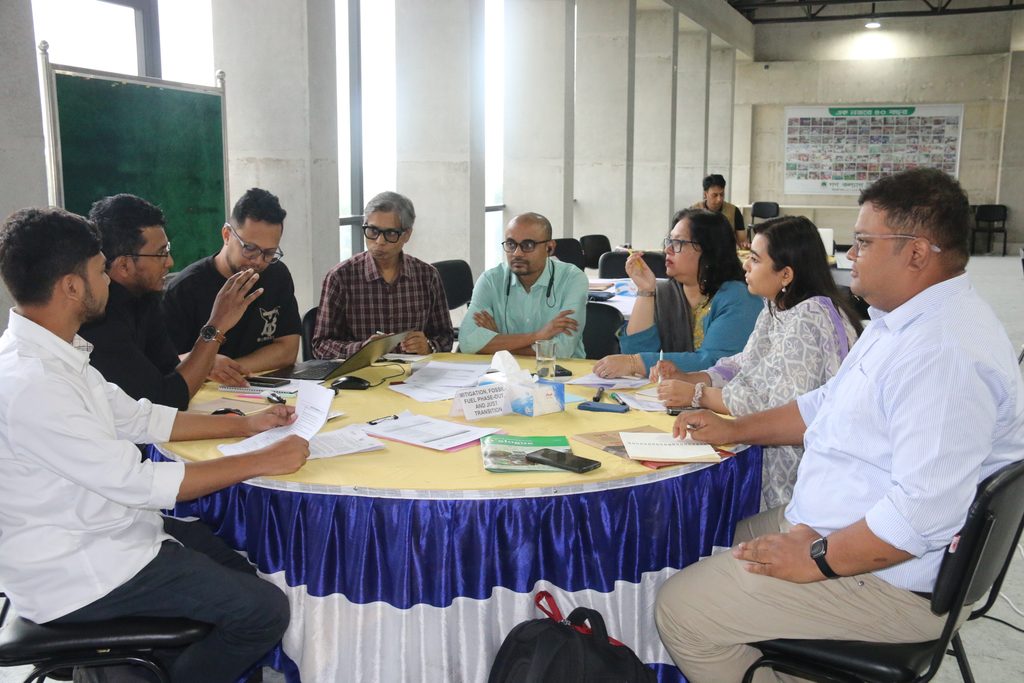
The final day explored the development of international climate negotiations, Bangladesh’s international political standing, and key issues shaping the ongoing global climate negotiation process. The workshop concluded with group discussions on key issues for COP31 and the development of collective civil society positions around major thematic areas.
By bringing together diverse civil society actors and stakeholders, the workshop provided an important platform for knowledge-sharing, dialogue, and collective reflection. The exchange of perspectives and experiences helped build a stronger shared understanding of key climate issues and strengthened coordination among CSOs, laying the groundwork for more informed, coherent, and collectively articulated civil society positions ahead of COP31.